Monday, July 17, 2006

ECO-GEOGRAPHIC CLASSIFICATION OF LUPINS


ECO-GEOGRAPHIC CLASSIFICATION OF LUPINS (L. ALBUS L., L. ANGUSTIFOLIUS L. end L. LUTEUS L.)


B.S. Kurlovich

THE HISTORY OF LUPIN DOMESTICATION


THE HISTORY OF LUPIN DOMESTICATION


B.S. Kurlovich


Two conditions are essential for the formation of Vavilov’s centers of origin (diversity) of cultivated plants (Вавилов, 1987B): the existence of plants suitable for introducing into cultivation in the local plant resources, and the presence of an age-old agricultural civilization. For lupin, both of these conditions are found in the Mediterranean region and on the American continent (territory of the modern Peru). These two centers of development of wild lupins were simultaneously the first places of them domestication. The history of lupin domestication has embraced more than four thousand years. Although lupin development processes in the Mediterranean and American centers went separately, they were similar enough.

The earliest archaeological reports on lupins are referred to the XII dynasty of Egyptian Pharaohs (over 2 thousand years BC). In their tombs, seeds of Lupinus digitatus Forsk., already domesticated in those times, were discovered. Several empty pod valves seven seeds of this species were also retrieved in the tombs of this dynasty dated back to the 22nd century BC. They are the most ancient evidence of lupin in the Mediterranean (Zhukovsky, 1929).

Andean pearl lupin (L. mutabilis Sweet.) was domesticated on the American continent by ancient inhabitants of the territory of the present-day Peru. The imprints of its leaves and seeds on the rock stored in the national museum of Lima testify to the ancient origin of this species. This rock dates back to the pre-Inca culture which existed in the 6th – 7th centuries BC (Майсурян, Атабекова, 1974). The forms of lupin cultivated in this period were a little different from the present-day ones. Their seeds were larger than those of wild forms. This may serve as proof that lupin was introduced into cultivation on both hemispheres even earlier.

Modern domesticated lupin plants have partially changed their former exterior and biological properties. Breeding practice enhanced the development of plant qualities useful for man, and induced the loss of a number of traits characteristic of wild forms. There were repeated upsurges of common interest in lupin cultivation and its abatements in connection with arising difficulties.

It is possible to split the history of lupin domestication into the following conventional stages:

· Primary domestication of white lupin in ancient Greece and Egypt (earlier than 2000 BC) with the purpose of producing grain which was used after soaking as food for man and feed for animals, and also utilized in cosmetics and medicine.

· Beginning of utilization of white lupin as green manure in ancient Rome and, subsequently, in others Mediterranean countries (about 800-1000 BC).

· Primary domestication of Andean pearl lupin ”Tarwi” on the American continent (600-700 BC).

· Beginning of domestication of yellow and narrow-leafed lupins for green manure production in Mediterranean countries and afterwards in Germany.

. Obtaining of the first low-alkaloid (sweet) forms of lupins in Germany (1927-1930) and in Russia (1929-1932). The method of their production was for the first time published in Russia (Иванов et al., 1932). After this discovery, lupin received the status of a fodder crop.

. Domestication of new lupin species in Australia, Russia, Finland and other countries (L. cosentini Guss, L. atlanticus Gladstones, L. polyphyllus Lindl. etc.).

· The modern stage of lupin cultivation, when lupin received the status of an alternative to soybean in world agriculture as a source of protein and another useful substances. Lupin resources will be utilized in many branches of the world economy.

The beginning of the history of lupin cultivation in the Old World is often associated with the times of the ancient Egyptian civilization (Zhukovsky, 1929; Майсурян, Атабекова, 1974; Таранухо, 1980). It is, however, more likely (Kurlovich, 1998) that originally white lupin was introduced into cultivation in ancient Greece where its greatest biodiversity was concentrated and wild-growing forms have been preserved until nowadays (ssp. graecus). Here, on the Balkan Peninsula, representatives of another subspecies of white lupin (ssp. termis and ssp. albus) turned wild and grows now in natural environments. Besides, the Grecian genesis of cultivated lupin is testified by lupin’s Greek name “termis”, that may be translated as “ardent”. Until now, in may countries of the world water-soaked and boiled lupin seeds are sold on markets and in bars as delicacies (like sunflower seeds). Utilization of white lupin was probably the same in ancient Greece.
From the rich diversity of lupins on the Balkan Peninsula, ancient Greeks obviously selected a wild white lupin form with white large seeds and light flowers. Other cultivated plants were also selected and domesticated basically according to the same traits. In view of this, it is possible to regard the Balkan Peninsula as the primary center of origin (diversity) of white lupin. Domesticated lupin is mentioned by Hippocrates of Cos, a Greek scientist (400-356 BC), who noticed that the pods of lupin were less harmful than those of Cicer arietinum. He considered lupin as most nutritious food. The flour made of lupin, in his opinion (Bd. VIII, p. 369), makes the face beautiful. The works of Theophrastus (372-288 BC) already contained fragments of information concerning cultivation of lupin on sandy soils (Zhukovsky, 1929). Theophrastus also marked the wild-growing habit of lupin, owing to which it did not require maintenance. It is possible to conclude from the descriptions of Theophrastus that cultivated lupin in Ancient Greece belonged to sp. L. albus. The detailed description of plant morphology and growing methods testifies that even in those times the culture of white lupin was widely spread in Greece. White lupin dispersed step-by-step from Greece to adjacent countries, in particular, to Egypt and Ancient Rome. The forms with white seeds and pink-and-blue or light-pink flowers (L. termis) spread mainly towards the south (Egypt, Libya and Palestine), while the forms with white seeds and grayish-blue or white flowers (L. albus) moved to the west (Apennine Peninsula and farther). White lupine (L. albus ) is still grown in Greece, where the wild ssp. graecus is also spread. The main purpose of lupin cultivation in Egypt was production of seeds widely used for food. However, there is no information about utilization of lupin in Ancient Egypt for feeding cattle or producing green manure (Майсурян and Атабекова, 1974). It is not revealed by the imprints of lupin on historical monuments anywhere in Egypt In view of this, there are grounds to assume that lupin started to be cultivated in Egypt not earlier than in 330 BC. Egyptians received this crop from Greeks in already domesticated condition (Gladstones, 1974). The broad and full overview of the developed culture of lupin in Ancient Rome is presented in the work of Zhukovsky (1929) where the materials of many ancient writers were generalized. For example, Plinius (23-79 BC) wrote about lupin (Book. XVIII, 133):
“… It is used both by man and by ungulates. It is necessary to clean it after rain. In this case, its grains do not fall out and are not lost at harvesting. It is a plant so wonderfully agreeable with the soil. At first, during the day it rotates together with the sun and shows time to the farmer even under a cloudy sky. It is the only plant sown without plowing (!). Lupin loves stony, dry and even sandy places. It does not require any maintenance at all. Fields and vineyards are improved by this crop. It does not require manure at all, being in itself the best fertilizer. It is the only plant which does not require any expenses or labor. It is the first to be sown and the last to be harvested, approximately in September. Modey (unit of weight or volume) of lupin per day makes an ox stout and strong. ”. Famous Marcus Terentius Varro (116 – ca. 27 BC) reported: “lupin is plowed instead of manure in the lean soil while it has not yet produced pods and sometimes stalks with beans”. Galen (AD 129-199) wrote about numerous applications of lupin, mainly about leaching its seeds in sweet water in order to use them for food. Pedanius Dioscorides (AD ca.20 – 70) in his 20th book recommends lupin as a remedy against abscesses, birthmarks and scab of sheep. He advised to sweeten the leached seeds, mill them into flour, and to add several drops of vinegar for whetting appetite. Columella (fl. 1st century AD) put lupin above other legumes. He recommended lupin as the best fertilizer “for depleted vineyards and fields, for exhausted soils”. Thus, it is possible to surmise that the value of lupin as green manure and in general its wide usability in agriculture was first acknowledged in Classic Rome, when the new second stage of lupin cultivation began. Romans, as well as Greeks, were fully aware of the medical and pharmaceutical value of lupin. Seeds, plants and decoction left after seed soaking were used as drugs. Plinius mentioned sixteen ways of applying lupin in medicine. It was also used as means of protection fruit trees from diseases. From Greece, and subsequently from Egypt and Ancient Rome, lupin was spread over all Mediterranean regions. In literature there are crumbs of information about the well-developed culture of lupin in the ancient and medieval Italy, France, Spain, Portugal, Algeria, Tunisia, Sudan, Israel and Turkey (Gladstones, 1974; Maissurjan and Atabiekova, 1974; Swęcicki, 1988).
Concurrently with white lupin, yellow, narrow-leafed and other species of this crop started to be cultivated as sources of green manure and as ornamental plants, acquiring most high-yielding and beautiful forms among wild plants. Domesticated lupin spread from the Mediterranean area to other countries included in the so-called spheres of influence (Sinskaja, 1969). To these spheres of influencing she attributed, first of all, Central and Northern Europe, as well also Asia and Africa. In 1927, N.I. Vavilov collected white lupin at the river-head of Blue Nile in Abyssinia, where lupin had most likely come from Egypt. From Greece and Turkey white lupin penetrated northwards and eastwards, and reached Western Georgia, where the culture of white lupin has survived until recent times after many ages of cultivation under the local name of “hanchcoly”, which in Georgian means a bitter bean (Либкинд, 1931; Майсурян and Атабекова, 1974; Kurlovich, 1996).

The parallel history of Lupinus mutabilis in the Andean highlands of South America is documented to a lesser degree. Zhukovsky (1929), Hondelmann (1984), Gladstones (1998) cited archaeological evidence of its cultivation in the 6th or 7th century BC, while in the Nazca (AD 100-800) and subsequent civilizations L. mutabilis formed a regular part of the crop rotation. Brücher (1968) notified that the Indians had removed bitter taste of seeds by washing them. It was impossible to remove alkaloids completely, and poisoning sometimes still occurred.
Lopez-Bellido and Fuentes (1986) commented fertility-enhancing properties of lupins and reported their use in Andean religious rites and festivals. Well-known was also the curative role of alkaloids in the treatment of cardiac diseases, rheumatism, malaria and internal parasite infections, similar to the functions attributed to white lupin in Rome.
The appearance of the Spanish and Portuguese conquistadors in the 16th century started a gradual decline in native Andean agriculture. The new society ignored lupins, and their cultivation became restricted to marginal subsistence agriculture in a few sites on very high altitudes. The interest toward lupin has been revived only in the last decade or two (Gladstones, 1998).
The scraps of information about lupin, at first as a medicinal plant, date back to the Middle Ages, like in Central European countries. However, special agronomic literature on lupin in Central Europe came forth later. The agricultural history of bitter lupins in northern Europe began in 1781. The first impetus came from King Frederick II (Frederick the Great) of Prussia, who personally sent for seed of white lupin from Italy with a view to use it for improving the poor soils of northern Germany (Maissurjan and Atabiekova, 1974; Hondelmann 1984, 1996). But this attempt, as well as later northern European efforts with L. albus, for the most part failed, because the soils were too poor for it and the available genotypes was too late maturing in the region's short summer growing season. In this respect, the idea has appeared to use more early-ripening lupins: yellow lupin (L.luteus) and narrow-leafed lupin (L.angustifolius). Earlier, these species had already been effectively used as green manure in Morocco, Portugal and other Mediterranean countries (Klinkowski, 1938).
Then, in 1841 a farmer named Borchard tried growing the garden yellow lupin, L. luteus. This was much more successful, and despite the continuing official support of L. albus, the cultivation of L. luteus and L. angustifolius by 1860 had become an essential part of agriculture all over the acid sandy soils of the Baltic coastal plain (Hondelmann 1984; Gladstones, 1998). These species showed extremely high effectiveness as green manure crops, as witnessed by the experience of Dr. Albert Schltz of Lupitz (known as Schutz-Lupitz). On poor sandy soil in his estate, with the help of lupin he managed in 10-12 years to double the yield of potatoes and rye, and to pass overt to wheat on the best sites. The results are widely known. Owing to him, yellow and narrow-leafed lupins began to be cultivated on a wide scale in many countries with the purpose of increasing fertility of poor sandy soils (Maissurjan and Atabekova, 1974). Besides, the experience of Schutz-Lupitz served as a catalyst to the discovery of the phenomenon of lupin nitrogen-fixing ability, as a result of which his practice has also obtained theoretical explanation.

After these experiments (the middle of the 19th century), the next stage in cultivating several lupin species for green manure and other purposes was initiated. A little later, however, with the beginning of mineral fertilizer production, the interest in lupin cultivation for green manure in Germany declined once more, though, on the other hand, the need for seeking low-alkaloid fodder forms emerged.
In the middle of the 19th century, lupin spread from Germany to Poland where there was abundance of mild sandy soils requiring reclamation. Cultivated at that time were bitter-tasted populations of yellow and narrow-leafed lupin, which were plowed down as green manure, or used, despite their bitter taste, as a feed for sheep. After the initial expansion of lupin cultivation, its temporary decrease, especially in seed production, occurred at the end of the 19th century, probably due to frequent poisoning of animals with alkaloids (Kubok, 1988). During World War I, lupin cultivation began to grow continuously owing to the necessity of widening food production areas to light soils, with simultaneous decrease of mineral fertilizer production. At that time, lupin breeding activities were started in Poland.
The first breeding works involving populations of bitter narrow-leafed lupin were carried out as early as at the end of the 19th century by Sempołowski at Sobieszyn. Sypniewski, who bred a number of bitter narrow-leafed cultivars such as Puławski Wezes­ny and Puławski Wysoki, and continued his works in l920s at the Institute of Puławy. He was one of the first breeders, who began systematic genetic studies on this species (Kubok, 1988).
In Russia, the first mention about lupin as an ornamental plant appeared in 1811 in the papers of the Free Economical Society. Utilization of lupin for green manure came to Russia from Poland when it had been divided into three parts (1772, 1793, 1795) and partially incorporated in the Russian empire. The first harvests of lupin for green manure were reported beginning from 1903 in Chernigov province. In the following years the centers of lupin studies and breeding were organized: Novozybkov Experimental Station in Bryansk province, Bieniakonsk Experimental Station on sandy soils of the forest-steppe zone in the western part of the Russian Empire (now it is a territory of Poland), and also a number of facilities in Byelorussia and the Ukraine. Thanks to their research activities and released cultivars, the area under lupin in the European part of the Soviet Union by 1935 reached 100 thousand hectares (Майсурян and Атабекова, 1974).
Lupin has always attracted attention by its unpretentiousness and ability to grow on sandy acid soils where cultivation of other crops would be economically inexpedient, as well as by its high content and quality of protein and oils. Prof. D.N. Pryanishnikov (Прянишников, 1931, 1962) called lupin a surprising plant and compared it with “the barrel of honey”, in which, however, there is a hateful “spoon of tar”. He meant the presence of alkaloids in lupin, causing not only bitter taste but also toxicity for man and animals. In view of this, the problem of finding alkaloid-free forms of lupin was repeatedly roused in the history of this crop (Roemer, 1919; Прянишников, 1920,1923). Prof. E. Baur who in 1920ies was Director of the Kaiser Wilhelm Institute in Berlin later supported this idea. He cited Vavilov’s Law of homological series in hereditary variation as the reason to connect low alkaloid content with mutations, which sometimes happened in the nature or were induced synthetically. One of the students who in 1927 listened to Baur’s lectures was R. von Sengbusch. After studying the earlier works of Prof. Pryanishnikov and hearing the lectures of Prof. Baur, he took up the challenge of devising a method to be used in screening the diversity of lupins. R. von Sengbusch worked out the method of fast definition of alkaloids, analyzed great diversity of plants and found among them low-alkaloid (sweet) forms. These forms were promptly propagated and used as initial material for creating the first fodder cultivars of yellow and narrow-leafed lupin. The seeds quickly multiplied. Finally, before World War II, the area under fodder (sweet) lupins in Germany exceeded 100 thousand hectares.
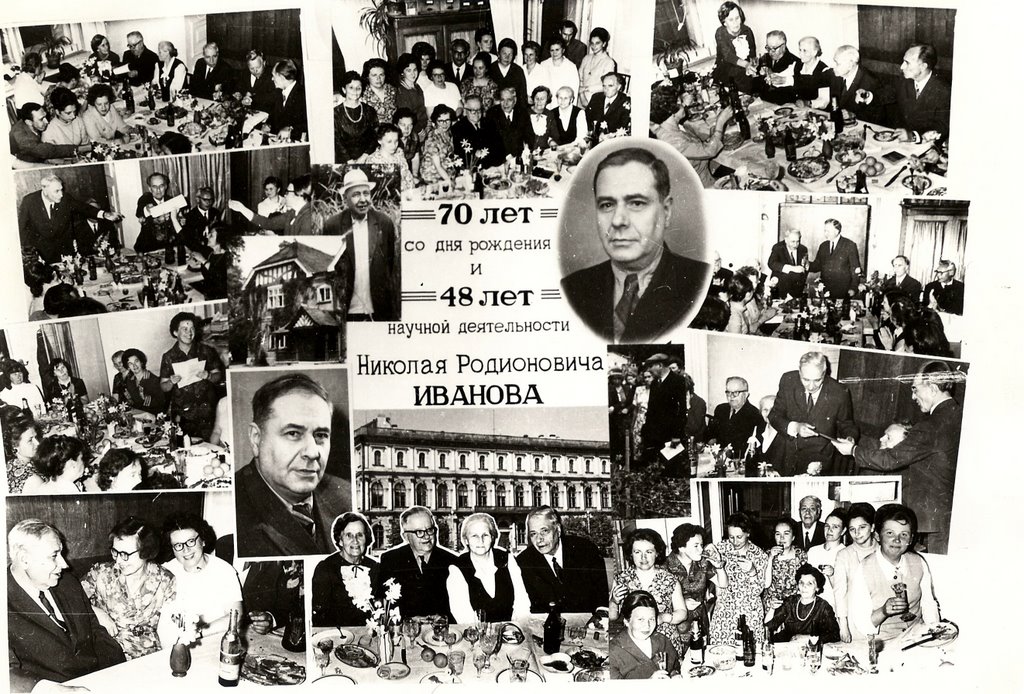
But the new methods and results of German breeding had been secret and were published only in 1942 (Sengbusch, 1942). The exclusive right for the sale of seeds was delegated to a private German corporation. In the meantime, the export of seed was impeded by strict clearance check-up. Hence, a fast method of detecting alkaloids by means of solution of Burhard was developed in the Institute of Plant Industry (VIR) under the leadership of Prof. N.N. Ivanov. It was immediately and for the first time in the world published with the foreword by N.I Vavilov. Vavilov expressed that "... We do not conceal the results obtained by us but make them generally known, in order to interest in this discovery the scientific workers of our country, as well as those abroad. In the present work the Institute of Plant Industry publishes the results of its researches as well as an instruction for the determination of alkaloidless lupins" (Иванов et al., 1932). With the help of the new method, the first sweet cultivar of yellow lupin, Yubileiny, and also many low-alkaloid forms of L polyphyllus were bred in 1932 in VIR.
The above-mentioned publication by VIR as well as the discovery of German scientists was a capstone of the modern breeding work with low-alkaloid fodder (sweet) lupin in the whole world. Lupin obtained the status of a valuable fodder crop plant.
In the former USSR, the first breeding program of releasing fodder lupin cultivars was launched by Fedotov, Sharapov and other scientists of VIR, by Bozenova of Novozybkov Experimental Station in Bryansk province, and by Swirski of Minsk Experimental Station. Successful work with different species of lupin was organized in the following years at Chernigov and Polessk Experimental Stations in the Ukraine, at Moscow Agricultural Academy, Byelorussian Agricultural Academy, Byelorussian Institute of Agriculture, Byelorussian State University, Grodno Experimental Station, Ukrainian Institute of Agriculture, Institute of Agriculture of the Central Non-Black-Soil Zone, etc. As a result of these works, the area under lupin in the former USSR by 1959 had reached 1132 thousand hectares (Майсурян, Атабекова, 1974). Particular progress in yellow lupin breeding was attained in postwar years by K. Savichev (Novozybkov Experimental Station) and G. Taranukho (Byelorussian Agricultural Academy). Savichev’s cv. Bystrorastushchy 4 in due time was cultivated in 30 provinces of the former USSR.
Later, Prof. Taranukho released an ultra-early cultivar, Academichesky 1, that is still recognized as the reference point of new breeding achievements. Breeder V. Valovnenko was the first in the world to discover the form of yellow lupin with determinate branching. He was the author of a series of cultivars with this valuable character (Zhitomir anniversary, Iskorost, etc.). It is for a long time already that the breeding of narrow-leafed and white lupins is conducted in Moscow Agricultural Academy. Super-early cultivars of narrow-leafed lupin were created there: Northern-3 (by Majsurian), Timir-1 (by N. Pukhalskaja), Ladny (by N. Klochko). Prof. G. Gataulina in cooperation with other research institutions bred ultra-early fodder cultivars of white lupin (Start, Manovitsky, etc). Great progress was made by the Ukrainian Institute of Agriculture (V.Golovchenko, O. Golovchenko, N. Solodyk and other breeders) in white lupin breeding. Cvs. Kievsky mutant, Primorsky, Gorizont, Ukrainsky, Dnieper, Pishchevoy etc. were produced by the method of hybridization and induced mutagenesis with the use of accessions of the Georgian ecotype and Palestinian geotype. The Institute of Agriculture of the Central Non-Black-Soil Zone released a series of fodder cultivars of narrow-leafed lupin, among which cv. Hemchinovcky 846 (authors: G.Debely, V. Fedotov and L. Kalinina) became the most widely known.
Fusarium resistant cultivars of yellow lupin (Kastrychnik, Narochansky, Zhodinsky) were created by Dr. M. Lukashevich, breeder of the Byelorussian Institute of agriculture, while cultivars of narrow-leafed lupin (Gelena, Selena, etc.) by the breeder N. Kuptsov. With the purpose of complex research on lupin-related problems, the specialized All-Russian Institute of Lupin was founded in 1987 in Russia (near Bryansk). It has undertaken large-scale work on breeding, seed production, cultivation technology and utilization of lupin. In 1960’s-70’s, lupin was cultivated for grain in ex-USSR on the area of about 600 thousand hectares, and the areas under this crop for green forage and green manure approached 2 million hectares (Такунов и др.1993).
Regretfully enough, now the areas under lupin in Russia have reduced (for more details see the last section). The method of fast alkaloid determination published in Russia was effectively used in Poland (Kubok, 1988). In a short period of time, plenty of fodder (sweet) cultivars of different lupin species were released in this country. More detailed information on the results of breeding work with lupin in Poland is presented in the section „Eco-geographic classification of lupins”. As a result of these works, the area under fodder lupins in Poland was expanded to 350 thousand ha (Kubok, 1988).
Situation with cultivation of lupins in other countries now is following. Australia Prominent success in acclimatization of narrow-leafed lupin and its other species was achieved by scientists in Australia. As a result of implementing the scientific project under the supervision of Dr. J.S. Gladstones (launched in the fifties), the area under fodder lupin in this country grew to exceed 15 million ha (Nelson, 1994). According to the data of Cox (1998), sweet lupin seed has been used as a feed since it was first produced within Australia. Initially the most favored application was its use as a sheep feed. Ongoing research investigating its nutritional value across a range of ruminant and monogastric livestock types resulted in significant expansion of its use as a feed to the point wherein sweet lupin seed is utilized in many intensive and non-intensive Australian livestock industries. Australian domestic usage of sweet lupin seed is estimated to be in excess of 350,000 t per annum.
Competitive protein products include imported soybean meal, canola meal, field peas and other grain legumes. Sweet lupin has been successfully bred into a new crop plant around the world. International markets for lupin seed have been established. Australia, as the world's largest exporter of lupin (L. angusifolius), is the dominant force in the international marketing and trade of lupin.
We have used the information of Baer, E. von, (1986, 1989, 1994) and Cox (1998) to illustrate volumes of utilization of sweet lupin seed (primarily of Australian and Latin American origin) in different countries and on major markets:

Europe
The Netherlands, Belgium and Germany. 150,000-250,000 t per annum – mostly compound feed formulae and dairy rations. Sweet lupin seed is commonly used in dairy rations. It competes as a protein and energy source with competitive products often including corn gluten feed, palm and corn products, rapeseed meal, citrus and beetpulps. The highly sophisticated industry, with access to a broad range of ingredients, creates a very competitive market environment. The industry is generally not committed to any commodity and the major companies constantly trade in and out of materials, depending on price relativity. The market has the depth to absorb large quantities of sweet lupin seed at varying price levels, depending on ration formulation (Cox, 1998).
Spain and Portugal. 120,000 t per annum – all livestock types. Consumption is highest in the ruminant sector, with limited utilization in monogastric diets at low inclusion rates. Chief protein competitors include soybean meal, corn gluten feed, rapeseed and sunflower meals, meat and bonemeal. Sweet lupin seed was initially targeted into limited geographical areas specializing in cattle production in order to extract the highest market price (Cox, 1998).
Italy. 20,000-50,000 finishing beef cattle. Ready access to inexpensive domestic soybean and sunflower meals pre­clude wide-scale usage on a cost comparative basis. High freight costs for small parcel shipments is also a significant limiting factor (Cox, 1998).

Asia (Cox, 1998).
Republic of Korea. 105,000 t per annum – all livestock types, aquaculture. A major trading company in Korea established a sweet lupin seed dehulling plant in the late 1980s to enable the seed fractions to be used most effectively over all animal types. The major protein competition in this market includes domestic and imported soybean meal.
Japan. 115,000 t per annum – cattle. The whole seed is flaked and incorporated into a balanced diet of partially processed ingredients typically comprising flakes of corn, sorghum and vitamin/ mineral supplements. Domestic and imported soybean meals have been partially displaced by sweet lupin seed.
Indonesia. 5000-8000 t per annum – human consumption, cattle. The hull material is utilized in cattle diets. Indonesia is the first commercial export market for Western Australian lupins for human consumption.
Israel. Sales were conducted for several years in the mid 1980s for use in cattle diets. Marketing opportunities tend to be limited because of price competition from cheap alternative protein sources, particularly cottonseed meal. High freight costs from Western Australia often present difficulties (Cox, 1998).
Taiwan. Significant quantities were sold to feed compound in the 1980s and now this market is regularly taking small parcels of sweet lupin seed (Ford, 1990, Cox,1998).
In addition to the key and regular market outlets of the European Union, Japan and Korea a number of other markets have also been investigated by Australian farmers and businessmen (Cox, 1998). The Middle East, United Arab Emirates, South America, Thailand and the Philippines have feed industries capable of taking a significant portion, if not the bulk, of the Australian sweet lupin seed crop. Although many of these countries have imported sweet lupin seed in the past, they have not been able to compete consistently against the price offered for sweet lupin seed by key traditional markets. Often this is due to the availability of cheaper protein meals from countries in close proximity, restrictions on the allowable import volume of imported protein meals or high tariff levels on sweet lupin seed. These markets continue to evolve and may at some later stage provide valuable opportunities for Australian producers (Cox, 1998).

America

South America. South American farmers produce a number of lupin species (L. albus, L. luteus, L. angusti­fohus). However, greatest attention is given to local Andean lupin (L. mutabilis Sweet.), which is cultivated from ancient times (Gross, 1982). Many of these species have alkaloid levels in the seed that are much higher than those in Australian sweet lupin cultivars. But low-alkaloid (sweet) forms were found out also at this ancient species, which also has received the status of fodder crop and is widely cultivated in Latin America and in Europe. The work on breeding, development of cultivation technology, use and sale of lupins is most intensively developed in Chile, under the management of Erik von Baer. The large scale production and industrial utilization of lupin in South America will only be possible if a dynamic organization can be achieved that combines, in a profitable way, research, production, processing and merchandising of this product. This is feasible only with an integrated private and public effort, like in Australia. Chile achieved the stepwise increase of the area cultivated with lupins, from 329 ha in the season 1973/74 to 16,000 ha in 1992/93 (Baer E, 1986, 1989, 1994). The specific achievements and limitations are in the countries of Latin America. To make industrial utilization of lupin possible in Peru, it is necessary to grow sweet cultivars or to utilize the alkaloids from bitter varieties. The priority to obtain disease-resistant forms is established in Brazil (Baier, A.C. and Linhares, 1990). Lupins have to go directly into competition with other protein sources like soya-bean, fish meal and energetic sources like corn and others. Considering the lower prizes of these, it has to be calculated how much Lupin production can cost, and then it is necessary to guarantee to the user a steady provision of a standardized product all over the year (Baer E, 1994). Production made from lupin in Latin America (L. albus and L. mutabilis) is also exported as a food to countries such as Egypt, Israel and the Middle East in competition with Australian resources. Products from sweet lupins have been cleared for use as food supplements in milk substitutes for intervention programs (Aguilera, 1988). An industrial plant has been producing up to 50% of protein requirements for milk substitutes with typical formulations being 6~73% wheat flour, 12% lupin meal, 12% skim milk and 5% soybean oil. Other uses are as extrusion - pre-cooked lupin flours and additives in sausages and jams (Cox, 1998). Thus, South America keeps presenting good possibilities for the production, consumption and perhaps exportation of lupins (Ford, 1994). In the future, it can become the worthy competitor of Australia.
North America. Narrow-leafed lupin is growing in the USA in spite of the huge potential of this country in producing soybean. Trials on others lupin species will be made there (Clapham and Willcott, 1995). Characteristics of the cultivars released in the USA are given in the section “Eco-geographic classification of lupins”.

Gradual domestication of other new species of lupin began after the methods of searching low-alkaloid forms had been discovered. One of these species is the multifoliate or Washington lupin (Lupinus polyphyllus Lindl.), which is frequently called perennial or long-term lupin. It was brought in Europe from America and migrated to many European countries as a wild plant or the one turned wild. It has often been grown for green manure and for ornamental purposes. Prof. Pryanishnikov was an eager initiator of introducing multifoliate lupin in agriculture as a fodder plant. However, repeated attempts to develop fodder (sweet) varieties of multifoliate lupin (L. polyphyllus Lindl.) and other perennial species (L. perennis L., L. nootkatensis Donn, L. arboreus Sims.) cannot be recognized as essentially successful because of the difficulties induced by their perennial lifestyle and cross pollination habit (Kurlovich et al., 1995). It proved impossible to stabilize low alkaloid content in these cross-pollinated species. Owing to complimentary interaction of different genes determining this character, the alkaloid content tended to restore (Maissurjan and Atabiekova, 1974; Turbin and Anohina,1974). That is why bitter plants are found in the crop, preventing wide use of grass and seed for fodder. However, in the last years it has at last become possible to develop a technique for obtaining sufficiently stable fodder forms of L. polyphyllus at the N. I. Vavilov Institute of Plant Industry (Чекалин and Курлович, 1989; Курлович and Чекалин, 1992; Kurlovich et al, 1995). This technique is discussed in detail in the section “Methods of breeding”.
It helped to breed a fodder variety of multifoliate lupin called Truvor, which now undergoes state trials in the Ukraine. Under the conditions of Northwestern Russia, positive results have been reported with the commercial cultivar Pervenec (first sweet variety), bred by us and included in the State Catalogue of Breeding Achievements in Russia. Since 1996, we have been conducting breeding work with multifoliate Washington lupin in Finland. The cultivar of fodder multifoliate Washington lupin SF/TA has been bred also in Finland by Aniszewski (1993).

Application of the developed methods of breeding fodder (sweet) multifoliate Washington lupin (L. polyphyllus Lindl.) for low alkaloid content provides a possibility to produce high-yielding fodder (sweet) cultivars of this perennial species for different eco-geographical conditions with low alkaloid content and a set of valuable biological and commercial characters. Multifoliate Washington lupin can be grown for fodder and seed in the countries with limited agricultural resources and with a deficit of vegetation period for other lupin species, particularly in the northwestern areas of Russia (Kurlovich et al., 1995), Finland, (Aniszewski,1993), Sweden (Maissurjan and Atabiekova, 1974), and other northern countries. Introduction of perennial fodder (sweet) multifoliate Washington lupin into agricultural production of many countries will stimulate a significant increase in soil fertility, production of protein-rich fodder and, consequently, productivity of animal husbandry. These methods may also be applied to such cross-pollinated lupin species as L. nootkatensis Doon.. L. arboreus Sims., L. perennis L., L. elegans H.B.K., L.hartwegii Lindl., etc., promising for utilization in agricultural production.

The project on domestication of the rough-seeded lupins is successfully realized in Australia (Buirchell, 1994). There are very few cultivated lupin species adapted to fine-textured and alkaline soils. Some rough-seeded lupin species grow naturally on these soils in the Mediterranean region. Breeding of rough-seeded lupins in Western Australia has resulted in the first filly domesticated species L. cosentinii and is close to domesticating L. atlanticus and L. pilosus. In 1970s J.S. Gladstones bred Errequella-S, the first cultivar of L. cosentinii, which is characterized by low alkaloids, early flowering and soft-seediness. Now this cultivar is widely cultivated in the coastal area of Western Australia. Besides, low-alkaloid and white-flowered forms were identified in L. atlanticus and L. pilosus, which are included in large-scale breeding programs. These two species have great potential for cutivation on fine-textured alkaline soils in southern Australia (Buirchell, 1994, Buirchell and Cowling, 1998). Interspecific crossing with the fully domesticated L. cosentinii was used to transfer soft-seediness genes into L. atlanticus. Crosses between L. atlanticus and L digitatus have produced early flowering lines. Shatter-resistant pods, while not being detected in primary crosses of L. atlanticus and L. cosentinii, have been selected in crosses where L. digitatus is part of the combination. L. atlanticus now has all the domestication genes in a number of lines which will be combined into the fully domesticated cultivars. Mutants of L. pilosus have been also selected with soft seeds and low alkaloid levels. Further development of these species may provide alternative grain legume species for fine-textured and alkaline soils (Buirchell, 1994, Buirchell and Cowling, 1998).
There are also similar references on the attempts to introduce such species as L. arboreus, L. nootcatensis, L. succulentus etc. into cultivation process (Шутов, 1982, 1984).
At the 7th International Lupin Conference in Portugal, the Polish scientists W. Swęcicki, B.Wolko and K. Jach have reported the discovery of a new Mediterranean species Lupinus atlanticus Swiec. (Swęcicki et al., 1994).
The present stage in the development of lupin science and production is characterized by ever increasing interest in lupin as an alternative to soybean in the world agriculture in connection with the deficit of protein. Many countries (Australia, USA, Germany, Poland, France, Spain, Portugal, Chile, Israel, South Africa, New Zealand, etc.) are developing national breeding programs on different lupin species. International conferences on lupin are regularly held, and the International Lupin Association (ILA) has been founded by UNO. In Russia, where climate resources for cultivation of soybean are limited, lupin in the long term can play the same role as soybean has in the USA, i.e. it may become a highly effective source of protein, the means to increase the fertility of soils, a tool of environmental protection, raw material for medicine, perfumery, etc. Studying the history of lupin domestication leads to a number of generalizations that may be useful for obtaining new forms by means of conscious selection.
Two species of lupin (white and Andean) entered the agricultural production in two completely separate parts of the globe. Their domestication processes went on independently for thousands of years, but they were nevertheless similar enough. These processes were both connected with primitive agriculture with little involvement of breeding techniques. The other two crop species (yellow and narrow-leafed lupins) were domesticated much later and faster, when the agriculturists learned to carry out breeding work more consciously. And finally, such species as Lupinus cosentinii, Lupinus atlanticus and others are now being domesticated by methods of modern scientific breeding and biotechnology. The domesticated species (except maybe L. mutabilis) have their wild relatives growing in natural environments, and their habitat in the Mediterranean region significantly overlaps the areas of cultivated forms. These circumstances make it possible to compare directions and purposes of lupin breeding in different times and with different species. The basic purpose of cultivation of the majority of lupin species was and is the production of seed used for food even in the ancient times after being cooked and macerated. The changes that occurred in the process of lupin domestication have been connected, first of all, with the size and color of seed. Domesticated forms have, as a rule, larger seed of white color. For example, on the Balkan Peninsula there still remains the wild ancestor (ssp. graecus) of white lupin. Its plants have dark-brown and dotted seeds, much smaller in size than those of the domesticated white lupin forms. In the western hemisphere, from Canada to Argentina, several hundreds of lupin species are grown, and all of them are characterized by small seed size. Ancient Peruvians obtained the cultivated large-seeded species (L. mutabilis) from such a diversity of forms (Zhukovsky, 1929; Либкинд, 1931). Now it is not an easy task to establish a direct wild ancestor of this species. The absence of the forms of similar size in the wild vegetation of America, and easy crossing of L. mutabilis with many other wild-growing species of lupin testify that it has a hybrid origin (Майсурян and Атабекова, 1974). On the other hand, according to Blanko (1982), wholly wild ancestors use to grow within the area of traditional cultivation of L. mutabilis. However, their leaves are smaller and have narrow leaflets, the pods are smaller and dehiscent at maturity, and the seed are also much smaller, black or marbled, and water-proof. Natural cross-pollination is very common between wild and cultivated species (Pakendorf, 1970; Gladstones, 1998). However, on the American continent breeding practice also pursued the size of seed and their white color. White coloring of seeds occurs in the wild species in America seldom enough, although it can be found in many other plant genera as well. In the course of selection, such traits have appeared as soft-seediness, facilitating fast and amicable seed germination, and non-dehiscence of pods. There were anatomic changes in the structure of pods that provided the farmers with protection against shattering in the process of domestication. There were also similar changes in the chemical composition of seed. The same domesticated forms, besides the high content of protein (up to 40-50%), also acquired rather high oil content (up to 15-20%). Such content of protein and oil cannot be found in wild forms. Domesticated forms, as a rule, display a shorter vegetation period, and their prevailing type of branching is sympodial. Finally, fodder low-alkaloid forms have been obtained in both Mediterranean and American species. These facts testify to the similarity of requirements set by the farmers in different parts of the globe. It is possible to find out the same regulations with the changes that domesticated yellow and narrow-leafed lupins have undergone, though the selection process in these species advanced more consciously and speedily. The breeders were also striving to select large-seeded forms and preferably with white and soft testa of seed, increased protein content, sympodial and limited branching, non-dehiscent pods, low alkaloid content, and other characters useful for man.

The present-day process of domestication of new species (L. cosentinii, L. atlanticus etc.) is also going in the above-specified directions. However, owing to the achievements of modern science and with the help of novel bioengineering methods (biotechnology), it runs faster.

In view of this, it is possible to take for granted that the history of lupin domestication is not finished, and that many new valuable species within the genus Lupinus will be selected for human use.

BIOLOGICAL FEATURES


BIOLOGICAL FEATURES


B.S. Kurlovich, V.N. Dyubin and J. Heinänen

The response of lupins to different environmental factors

Response to light. It was shown by the researches conducted by the scientists of VIR, that the majority of grain legumes including lupin belong to the group of long-day plants, though there are some forms with neutral photoperiodic reaction (Дорошенко, Разумов, 1929). Our research (Kurlovich and Ivanova, 2000) has revealed positive but not identical reaction of the majority of the investigated accessions of narrow-leafed lupin to the lengthening of the photoperiod.
For example, the line of narrow-leafed lupin Mut-1 (k-2803) from Poland developed flowers and formed pods only in long daylight, i.e. it manifested a long-day photoperiodic reaction. The rest of accessions were early maturing in both photoperiodic modes. However, under short-day conditions the plants of these accessions were less in height.
Variation of characteristic features is observed in the accessions of lupin with different ecogeographic origin. The forms of lupins from northern latitudes and mountain areas responded to a short 10- and 12-hour day much stronger, than southern forms. The greatest changes in short-day environments were marked in wild forms, especially the ones from Portugal, Spain and Algeria. The samples from Greece, Turkey and Palestine were more neutral (Курлович, 1991б). Photoperiodic response of lupins was usually combined with the effect of other factors, especially with the response to vernalization (Kurlovich and Ivanova, 2000). Table 7 presents the influence of photoperiod duration and the complex effect of both factors (vernalization and photoperiod duration) on the growth and development of Mut-1 accession.
Mut-1 accession, which had shown long-day photoperiodic response, under the influence of short-day conditions and after vernalization showed determinate branching not on the main stem, but on its lateral branches. Ladny accession appeared to be the most thermo- and photo-neutral.

Photoperiodic response is also closely connected with spectral structure and intensity of the light. Long-day plants pass their reproductive phase faster with 24-hour illumination when in addition they are exposed to red light. Prevalence of long-wave rays in the light spectrum also provided for acceleration of plant development (Синская, 1946; Кашманов, 1970).
Besides, lupin plants respond to the intensity of illumination. Byszewski (1959) studied the effect of different light intensity of 7200, 10800 and 14400 lx on plants. With increased intensity of light, the plants grew faster, developed a more advanced root system, and produced higher yield at the increased intensity of light. Alkaloid content in seed was thus reduced. High light intensity produced an even greater effect on plants than lengthening of the daylight. Practically all lupin species are characterized by strongly expressed heliotropism, and turn their leaflets to the sun. Leaf dormancy is observed in many forms in the night when leaves lose turgor and droop. Lupin most effectively uses active photosynthetic radiation in comparison with other crops. Coefficient of its utilization in lupin is 4.79%, whereas in rye it is 2.42%, in wheat 2.68%, in oats 2.74%, and in vetch 1.98% (Шарапов, 1935). It is connected with high photosynthetic activity of plants and high calorific capacity of protein and oil contained in plants.
Response to heat. Multifoliate or Washington lupin (L.polyphyllus Lindl.) is the most resistant to cold among cultivated species. In Russia, the northern border of its cultivation for seed production passes along the line from Petrozavodsk to Syktyvkar. Narrow-leafed lupin is the least demanding of temperature among annual species. Its early forms ripen even in the northwest of Russia. The most heat loving is white lupin. Yellow lupin occupies an intermediate position. The data of Dyubin (Дюбин, 1981) describing heat requirements of different lupin species are presented in Tab. 8. In Russia, the sum of average daily temperatures ensuring maturity of narrow-leafed lupin is 1650-1690°C; for yellow lupin this figure is 1810-1950°C; and for white lupin it is about 2140°C. The sum of average daily temperatures for multifoliate lupin (L. polyphyllus Lindl.) for the period from the beginning of spring growth to the ripeness of seed makes 1325°C. The northern borders of growing areas for the considered lupin species for different maturity ensuring levels are also shown in Tab. 8. The vegetation period of cultivated lupins is constantly reduced, and accordingly aggregate heat requirement is decreased in the process of breeding more and more early-ripening cultivars and enhancement of their cultivation techniques. Already available are early thermo- and photo-neutral cultivars with determinate branching, which would make it possible to expand the area of lupin cultivation ever farther northwards.
For a majority of lupin species, minimum temperature for seed germination is low (+1… +2°C). Optimum temperature is +4 … +6°C. According to Sawichev (Саввичев, 1961), low air temperature at the time of shooting brings about reduction of the period from young plantlets to flowering. In the phase of stem growth and branching, lupin prefers moderately warm temperature. Flowering goes most intensively and effectively at moderate air temperatures (+15 … +25°C). Pollen sterility increases at higher temperatures and with absence of moisture. Seed ripening time is considerably reduced at higher temperatures, but is essentially longer with low temperatures and high humidity, especially in white lupin. In the north, tolerance of annual lupins to low temperature plays a significant role in their progress. According to Sharapov (Шарапов, 1935), annual species can tolerate the following temperature: L. albus down to –4°C, L. luteus down to –6°C, and L. angustifolius to –7°C. Barbacki (1960) states that lupin species can endure even more severe frosts: down to –6°C for white lupin, down to –8°C for yellow lupin, and down to –9°C for narrow-leafed lupin. These data testify that the researcher dealt with newer cultivars that had not only shorter vegetation period, but also, as a rule, increased tolerance to low temperatures. Resistance to low temperatures also depends on ecogeographic features of accessions and on the phases of plant development.
Our investigations (Курлович and Гаджиев, 1989) showed that in fall planting a winter form of white lupin of the Georgian ecotype endured the temperatures of –10°C down to –15°C during the whole winter period in Sheki-Zakatalsk zone of Azerbaijan. Lupin plants are more resistant to frost on the initial stages of development both in spring and fall plantings. Early frosts in autumn exert stronger influence on yellow lupin at the moment of seed ripening in spring planting. As to narrow-leafed and white lupins, they are able to go on growing even after long frosts. Perennial lupin species, in general, tolerate frosts quite well owing to their biological features, though some variance between species and variety also exists.
In most of the lupin species there are spring, intermediate and winter forms. Majority of wild forms belong to the winter type. In natural environments, seed of wild forms use to fall down on the ground from dehiscent pods. In autumn, with the beginning of a rainy season, these seed germinate, and young shoots remain for the whole winter in the state of rosette. During the Mediterranean winter with average temperatures between –5°C and +5°C, the plants stop growing and pass a stage of vernalization. They renew the process of growth in spring when air temperature becomes higher. Such cycle of development had been evolving for a long time in wild forms, and helped them to exist without any intervention from outside. When the plants are sown in spring without preliminary vernalization, majority of them would remain in the phase of rosette during the whole summer, and only with coming of colder weather in the fall some of them may start growing. Their cultivation as a spring crop is possible only after artificial vernalization within 30-40 days at a temperature of 0 … +1°C (Курлович, 1991б). It is necessary, however, to take into account that among wild forms there are plants with different demand for duration and intensity of vernalization. There are also typically summer forms with thermo-neutral habit used by breeders in Russia, Poland and other northern countries in spring plantings. Domesticated forms also manifest different responses to vernalization, which is testified by our experience in the study of genetic and environmental effects on branching in narrow-leafed lupin (L. angustifolius L.). The greatest effect of vernalization (Tab.9) was observed in accession Lanedeks-1.
Accession Mut-1 was transformed into the form with usual non-determinate branching under the influence of vernalization. Besides, it displayed determinate branching not on the main stem, but on lateral branches in these conditions.
But in the majority of the countries with warmer climate (Australia, southern Portugal, southern France, USA, and Chile) lupin is sown in the fall. For these purposes, winter and intermediate forms are used (Cowling, 1994; Erik von Baer, 1994; Huyghe et al., 1994; Nelson, 1994). Their cultivation with autumn sowing, wherever it is possible, provides for more efficient utilization of agroclimatic resources, higher productivity of lupin, and lesser degree of disease and pest incidence.
Response to moisture. The amount of free and bound water required for normal life of lupin reaches 80-85%. Lupin is xeromesophyte by nature, with sufficiently high resistance to drought and moisture. Its different species grow in different ecological conditions. However, if domesticated species are concerned, they are moisture-loving plants, suitable for cultivation in the areas supplied with moisture. Their transpiration rate is 600-700. Rather high moisture requirement of lupin is explained, first of all, by the fact that these plants accumulate much green matter. Secondly, plenty of moisture (120% of seed weight) is needed for the swelling of seed at germination. It is twice more than in cereal crops. On the other hand, lupin often endures drought quite well due to the well-developed tap root system, which supplies a plant with moisture and nutrients from deep underground. The first critical period in relation to the absence of moisture happens in lupin at the time of seed germination when the root system of plants does not work yet. The second period comes at the time of budding before flowering and fructification. The lack of moisture in this period results in considerable underdevelopment of pods and reduction of productivity. In the seed-ripening phase, higher humidity noticeably lengthens the vegetation period. The native land of domesticated annual lupin species is the Mediterranean region where they grow in mountainous areas. Rather damp and cool weather prevails there during the period of plant growth, and drought comes in the seed-ripening period. In the process of evolution lupin has adapted to such conditions. In Russia, on the contrary, in the time of seed maturing it often rains, so the period of ripening grows considerably longer, and in northern areas in some years seed do not ripen at all. Therefore, the plants are treated by defoliants and desiccants before grain harvest.
Laboratory evaluation of lupin accessions with various geographic origin for drought resistance based on the principle of seed germination in sucrose solutions has revealed (Курлович and Чернышева, 1986) the existence of interspecific and intraspecific variability in this parameter. Among the lupin species cultivated in Russia, higher relative resistance was found in the accessions of yellow lupin. The accessions of white and narrow-leafed lupins were characterized, on the whole, by lower resistance to drought, though among them there were some forms with high resistance. Yellow lupin shows rather low requirements to humidity in the soil and even in the air, as its native Mediterranean region it grows in dry mountainous areas. On the other hand, domesticated yellow lupin is grown basically on sandy soils than warm up quickly and are incapable to preserve moisture for a long time. In view of this, frequent spring droughts in the areas of its cultivation produce harmful effect on its seed and plantlets. This fact has created the problem of drought resistance for lupin, especially at early stages of its development, as seed of this crop require significant amount of moisture for the swelling. By now, too little effort has been made to solve this problem. Optimum soil humidity at a level of 60-80 % from full moisture capacity plays an essential role in formation of nitrogen-fixing nodules, promotes accumulation of higher protein content, and decreases the content of alkaloids (Byczwski, 1959; Barbacki, 1960). Especially high requirements to soil and air humidity are found in the cultivars with fast initial growth rate. The forms of lupins from the eastern Mediterranean region are, as a rule, more resistant to drought than the forms from the western Mediterranean. Eastern Mediterranean forms have leaflets with more xeromorphic structure (less stomas, presence of pubescence, etc.).
Excessive humidity of soil results in oppression of the root system and nodule bacteria that also lead to a decrease in the productivity of plants.
Responses to soil types and fertilizers. Lupin has aroused special interest because it is able to grow on poor light-textured sandy soils where the conditions are economically unfavorable for cultivation of other crops. Owing to its well-developed root system and high nitrogen-fixing ability, it is also widely used for reclamation of poor sandy soils. It is specifically so with yellow lupin, which shows in Russian conditions the least demand for soils. Most of all light loamy soils and sandstone may meet its requirements. Narrow-leafed lupin is a little more demanding of soil types. It prefers grounds with more coherent texture. However, narrow-leafed lupin like yellow one badly endures heavy clay soils, and suffers from superfluous humidity and high level of ground waters. White lupin is different in having the greatest requirement to soils among the domesticated species. Most favorable for it appear coherent loamy soils or sandstone, clay and even black prairie. Major criterion in the assessment of soil suitability for lupin cultivation is the reaction of soil environment. Lupins, even wild ones, grow only on acid and neutral soils where parent breeds or lava are on the ground surface. Almost all domesticated species of lupin also prefer subacid soils. Yellow lupin is considered as the most attached to subacid soils. There are very few species (L. casentinii, L. atlanticus and L. digitatus) adapted to fine-textured and alkaline soils (Buirchell, 1994). As to other domesticated species, they show high stability to soil acidity, prefer subacid or neutral reaction of soil environment, and poorly endure alkaline reaction. It is considered that рН 5.0-6.0 is the optimum of soil acidity for lupin (Майсурян and Атабекова, 1974). Thus, the response of lupin to soil reaction varies with the age of plants. In the early periods of development, optimum soil reaction is рН 4.6-5.0, while after flowering it is neutral, рН 6.0-7.0. The problem of lupin’s optimal reaction to soil environment is linked with sensitivity of lupin to the content of calcium in soil. It was generally accepted that lupin negatively responded to increased calcium content. However, it has also been established that its deficiency produces negative effect on the productivity of plants. Nonetheless, the limit of favorable effect produced by calcium on this crop is lower than in other plants. Negative effect of large amounts of lime results in significant accumulation of ammoniac nitrogen in plants, greater combustion of carbohydrates, and intoxication of plants with ammoniac (Майсурян and Атабекова, 1974).
Especially negative is lupin’s reaction to lime when the soil lacks for magnesium and other trace elements. However, profound and all-round study of the role of calcium conducted in the past years disproved the common opinion concerning incompatibility between lupin cultivation and calcification. It was observed that the negative effect of calcium is removed by applying magnesium into the ground, and iron on the same soils (Шутов, 1982). Therefore, in the fields where lupin is included in crop rotation, it has been recommended to calcify soil with flour containing magnesium that would neutralize the negative effect of lime (Курлович, 1985). Besides, it is undesirable to plant lupin on the sites that have recently been calcified. During a number of years after calcification, it is better to grow other crops prior to lupin. Different sensibility of lupin to the content of calcium in soil is also connected with the activity of nodule bacteria whose development goes well only with neutral and weak alkaline reaction of soil environment. They develop poorly with acid reaction of environment, and the process of nitrogen fixation proceeds inadequately. It is necessary to take into account the specified inconsistent factors of lime effect when working out an optimum technology of lupin cultivation as well as in breeding practice. The study of the genetic diversity of lupins preserved in the collection of VIR has revealed interspecific and intraspecific variation in the response of different forms to the content of calcium in soil. It opens prospects for breeding cultivars with good reaction to an excessive content of this element in soil. One of the valuable features of lupin as a leguminous crop is its ability to make symbiosis with nodule bacteria responsible for fixing free nitrogen from the atmosphere. Therefore, retention of nutrient elements is closely connected with the ability to provide biological nitrogen fixation by Bradyrhizobium sp. (Lupinus). These bacteria are especially sensitive to a surplus of mineral nitrogen. But its large amounts lead to abrupt reduction of nitrogen-fixing ability. Biological nitrogen fixation processes reach their greatest efficiency at the phase of plant flowering. To enhance this process, special preparations containing the most effective race of bacteria are applied. On the other hand, lupin is also capable to grow and develop at the expense of mineral nitrogen, especially if lupin is planted for the first time on a given site, and bacteria are absent in the soil. In this case, application of nitric fertilizers provides an essential increase in the yield. More efficient, however, is treatment of seed by an effective strain of nodule bacteria, or its application into the soil (Kurlovich et al., 1995, 1996). The process of biological nitrogen fixation begins only after the emergence of leaves. In view of this, initial dozes of mineral nitrogen are also effective at the first stages of plant development. The intensity of biological nitrogen fixation depends on the specific and varietal features of lupin, conformity of the applied strain of bacteria to a definite lupin cultivar, and also the conditions of supplying plants with other nutrient elements. Phosphoric and potassium fertilizers also render strong influence on the development of lupin plants, content of nitrogen, and formation of nodules. The lack of these fertilizers would greatly reduce general plant productivity. Phosphoric fertilizers stimulate growth of the root system; in particular its absorbing root hairs through which bacteria penetrate from soil, and enhance nitrogen-fixing ability by reducing the unfavorable effect of increased amounts of mineral nitrogen (Макашева, 1979). Nodule bacteria capable of transforming nearly insoluble forms of phosphorus into more absorbable forms provide for enrichment of plants with not only nitrogen, but also phosphorus. Great effect is produced by potassium, which also helps to increase assimilation of phosphorus. Phosphorus, in its turn, does not exert essential influence on the exchange of potassium. Plants absorb almost all potassium from soil in the flowering phase. The lack of potassium also causes a decrease in nitrogen fixation and impedes the growing processes. Low content of this element severely hampers the movement of nitrogen substances and carbohydrates from leaves to seed. Application of phosphoric and potassium fertilizes provides for an increase in the chlorophyll content in leaves and intensified photosynthesis and transpiration. As a result, general plant productivity becomes higher.
Not only simple presence of nutrients is important, but also their ratio which varies depending on various conditions. Significant prevalence of phosphorus against potassium in soil disrupts the exchange of substances and the transition of plants into the stage of reproductive development (Гукова, 1962). Best conditions for high-grade development of lupin are created by an increased supply of potassium and rather low level of phosphoric nutrients. In this respect, application of phosphoric and potassium fertilizers in the required proportions is very important for obtaining a high yield of lupin. It is necessary to take into account that lupin consumes twice more potassium, than phosphorus (Курлович, 1985). Besides, it responds well to magnesium (20 kg/ha), and also to the treatment of seed by micro fertilizers containing iron, molybdenum, boron, cobalt, zinc and manganese. Magnesium contains in the structure of chlorophyll. Its deficiency may lead to premature falling of leaves, breach in nitrogen supplies, and reduction of the efficiency of phosphoric and potassium fertilizers and lime (Магницкий, 1967) Iron also plays an important role during photosynthesis and nitrogen fixation. However, when it is present in excessive amounts, decomposition of chloroplasts is observed (Рубин and Германова-Гавриленко, 1956; Трепачев, 1967).
Molybdenum raises efficiency of symbiosis with nodule bacteria. It is accumulated in roots and nodules. This element is especially effective in neutralizing the negative effect of excessive calcium content in a plant.
Boron also enhances growth of the root system in all legumes. Cobalt makes part of the structure of vitamin B12, stimulating the formation of chlorophyll in plants. Microelements have an essential effect, specifically on the development of generative organs in lupin. Responsiveness of plants to their application depends on the type of soil, dozes and ways of application of fertilizers, and also on specific and varietal features of plants.

Biology of development

Prof. Kuperman (Куперман, 1961, 1977) identified 12 stages of organogenesis in individual development of all angiospermous plants. These 12 stages of organogenesis have also been accepted for lupin (Наймарк, 1976). Description of these stages was given in the following works: Жуков, 1961; Наймарк, 1976; Наймарк and Таранухо, 1982; Пронин et al., 1961; Шалыганова, 1961. At stage I, when the plants are in the phase of cotyledons, there is no differentiation in the apical point of plants. Stage II is characterized by formation of leaves and the rudimentary stalk at the basis of the apical point. At stage III, sheathing leaves are formed, the apical point is extended and its size increases. At stages IV and V, floral tubercles and bracts are developed, and also differentiation in the floral tubercle is observed on the bodies of flowers. At stages VI-IX, the processes of formation of sexual cells and fertilization take place. At stages Х-ХII, the process of sees formation and ripening takes place; then the plants grow older and die. Analysis of visible morphological changes in separate organs and plant habit in lupin development has shown that the process of plant development has a number of phenological phases.
As a result of the study of ontogenesis, the following phenological phases have been described for lupin (Наймарк, 1976): 1) sowing / sprouting; 2) rosette (8-10 leaves in lupin); 3) stem formation / branching; 4) budding; 5) flowering and fruit formation (on the central truss); 6) grain formation / grain plumpness (on the central truss); 7) green ripeness of grain; 8) whitish or waxen ripeness of grain; and 9) yellow, complete, firm or fully ripened stage of grain. Duration of the phases of growth and development depends on genetic features of species and cultivars, soil type, climate conditions, and the level of agriculture.

Stages of organogenesis at lupins

Sowing / sprouting. The duration of this phase varies in yellow lupin, on the average, from 10 to 16 days (Наймарк, 1976). Such variation depends on the level of daily average temperatures in soil, presence of moisture, and depth of sowed of seeds. Differences between varieties have had no effect on the duration of this phase under identical conditions of cultivation. In this phase, the growing point is on stages I-II of organogenesis.
The phase of rosette (stage II of organogenesis) comes after the complete emergence of young shoots, and lasts depending on the temperature regime, e.g. from 22 to 26 days with cv. Academichesky 1 (L. luteus L.), and from 22 to 31 days with cv. Bystrorastushchy 4 (also L. luteus L.). By the end of this phase, 8-10 leaves are formed, roots penetrate down to 30-35 cm deep, and nodules are developed.
The phase of stem formation / branching begins when plants are coming out of the rosette. This period lasts in different years from 9 to 14 days with cv. Academichesky 1 and 13-23 days with cv. Bystrorastushchy 4 (stages III-V of organogenesis).
The phase of budding is characterized by appearance of flower buds on the central truss and lasts until the beginning of flowering. With cv. Academichesky 1, its duration is 8-9 days, while with cv. Bystrorastushchy 4 it is 10-15 days (stages VI-VII-VIII of organogenesis).
The phase of flowering and fruit formation starts with the opening of the first flower and comes to an end with the development of pods on the central truss. With cv. Academichesky 1 it lasts 9-12 days, and with cv. Bystrorastushchy 4 it is 10-13 days (stage IX). This whole period is delayed in lupin when flowering takes place on lateral branches.
The phase of grain formation / grain plumpness on the central truss (stages X-XI) lasts in yellow lupin for 17-23 days with cv. Academichesky 1, and 16-22 days with cv. Bystrorastushchy 4. After complete plumpness of grain, three phases of ripeness take place, i.e. green, whitish (waxen), and yellow or firm (stage XII of organogenesis).
Green ripeness of grain. This phase lasts 14-18 days with cv. Academichesky 1 and 13-19 days with cv. Bystrorastushchy 4. By the end of this phase, grain cotyledons become firm, and the radicle of the embryo turns white. This is an evidence of physiological maturity of seed. If necessary, it is possible to apply plant defoliants during this phase. In this period, it is also possible to harvest seed with normal germination.
Whitish (waxen) ripeness of grain. This phase lasts 7-12 days. In this period the valves of pods turn dirty-brown, leaves of the main stem and lateral branches of the first order die off, the embryonic radicle in seed becomes yellow, and the seed is completely shaped. The inflow of nutritive substances in seed has not yet stopped, but is considerably slowed down. Such plants are quite suitable for separate harvesting.
The phase of yellow or firm ripeness of grain lasts 5-9 days. In this period, the plants are completely dried up, the pods become brown, and the cotyledons turn yellow (Наймарк, 1976). Essential influence on the duration of certain phases of development and the period of vegetation on the whole is rendered by agro-meteorological conditions, mainly by daily average air temperatures in combination with soil humidity level. Besides, the duration of the vegetation period is determined by a plant genotype.
In Russia and adjacent countries lupin is cultivated basically as a spring crop. Early maturity is an extremely valuable trait that makes it possible to expand the area of cultivation of this crop. As shown by the results of the long-term study of VIR’s lupin collection, the duration of the growth period for summer forms of narrow-leafed lupin sown in spring varies depending on the cultivar, year of planting and place of cultivation with an amplitude from 72 to 170 days. With yellow lupin, this character varies from 90 to 175 days, and with white lupin, from 106 to 180 days. Besides, duration of separate intervals is also signifying. For instance, in yellow lupin the period from young growth to flowering is the longest; in white lupin, on the contrary, it is short, but the period from flowering to maturity is the most drawn out. Great variability of the vegetation period is also observed in different years of cultivation. Narrow-leafed lupin begins to blossom simultaneously with white lupin, and a little earlier than the yellow one. It ripens much earlier then white and yellow forms. In Kiev Province, in damp years yellow lupin has blossomed on the 63rd day after the emergence of young shoots, white lupin on the 45th day, and narrow-leafed lupin on the 62nd day, whereas the duration of the flowering/maturity period in these three forms is respectively 54, 97 and 52 days. Processing of mathematical data of these observations has shown that there is a close positive correlation between the period from young growth to flowering and the whole period of vegetation. Coefficient of correlation (r) is +0.50.
In the environments of Russia, white lupin is the most thermophilous among all cultivated annual species. Its period of vegetation is longer than those of two other species. The study of white lupin collection was conducted in Kiev Province (Ukraine) where accessions were sown in spring sowing and at the former Sukhumi Station of VIR (Abkhazia) where they were planted in autumn. In the conditions of Kiev Province, variability of the vegetation period of early forms was studied, because late accessions do not ripen there. The period of their vegetation varied from 106 to 180 days. Majority of the accessions available in the collection are late-ripening, so they were studied near Sukhumi in autumn plantings. Their vegetation period there showed variation within the range of 230-260 days. Sown in autumn in damp subtropics near Sukhumi, white lupin produced high yield of seeds and green matter. In these environments, the vegetation period also displayed strong variability under different weather conditions (Tab.11).

In the damp subtropics of Abkhazia, the most valuable winter and intermediate forms of white lupin showed an increase in the yield of seed and green matter for green manure. Among them, the most promising are the accessions from France (k-1547), Argentina (k-1582 and 1583), Australia (k-1779 and 1791), and the forms of Georgian ecotype (k.k-1423, 2910, 3292).

ANATOMIC STRUCTURE


ANATOMIC STRUCTURE

M.V. Petrova

Anatomic structure of different lupin species was studied by a number of researchers. Some scraps of information can be found in the monographs of Metcalfe and Chalk (1950), and Maissurjan and Atabiekova (1974). Other authors studied the structure of plantlets (Compton, 1912), roots (Тен, 1973; Михайловская, 1960, 1968), stems (Ball, 1949; O’Neil, 1961; Tomaszewska, 1966), and petioles (Petit, 1887; Борисова, 1975). Petrova (Петрова, 1983) analyzed anatomic structure of leaves in one perennial and eight annual species of lupin from various centers of origin. The results of the study of physiological and anatomical features of leaves of L. аlbus and L. luteus are presented in the work of Latykova and Borisova (Латыковa and Борисовa, 1989). Watari (1934) described the path of conducting bunches in petioles of two species. The structure of nodes was investigated in annual and perennial species (Гуленкова, 1982), and the effect of cotyledon and leaf traces on the development of conducting systems in plantlets was described (Денисова and Дмитриева, 1980). Some of the authors wrote about the structure of vegetative and generative organs of lupin when studying the variability of characters in this genus (Майсурян and Атабекова, 1974; Карпицкая et al., 1980). Great attention was focused on the structure of pods (Атабекова, 1958; Карпицкая and Таранухо, 1976; Белов and Лотова, 1991; Tomaszewska, 1954) and seed coat (Михайлова, 1958; Циклаури, 1962; Карпицкая and Таранухо, 1974; Редькина, 1976, 1979; Лотова, 1991; Zimmermann, 1936a, b; Heyn and Herrnstadt, 1977).

Root. The root of lupin in its primary structure consists of the epidermis, primary cortex and central cylinder formed by the pericycle, xylem, phloem and parenchyma. The root is covered from outside by the epidermis forming root hairs, which are short-lived and quickly die off. The greatest area is occupied by the parenchyma of the cortex, consisting of thin-walled live cells different in shape and size. The internal layer of the primary cortex is the epidermis which differs from all other cells of the cortex by its shape and by its small and tightly serried cells. Not only one-layered endoderm was found in the genus Lupinus L., but also two-layered (L. angustifolius), three-layered (L. albus) and tetra-layered endoderm (L. luteus) (Тен, 1973). The pericycle is the outside layer of the central cylinder. It consists of one-layered densely located cells with thin parenchymal cell walls. The number of the rows of cells in this tissue is increased in front of the rays of the xylem, and there are lateral roots.
The root system of annual lupin species has a diarchic structure. The arrangement of lateral radicles in lupin has two-rowed layout. The first root vessels are annulate and spiral. The larger vessels of a porous type are differentiated closer to the center and in the central part of a root. There are the groups of phloem between the rays of the xylem. Transition to the secondary structure begins when the cambium is formed between protoxylem and protophloem as a result of division of the procambium. It forms the outside elements of secondary phloem and elements of secondary xylem inside. Cambium forms a wide continuous ring in the root of secondary structure. The root of lupin has a xylem type of structure, i.e. it has more xylem in comparison with phloem. The secondary xylem of the root consists of vessels, libriform fiber, parenchyma and radial rays. The vessels are basically porous in the secondary xylem. They are surrounded with fibers of libriform shape and cells of ligneous parenchyma. The radial rays are primary and secondary. The number of primary rays corresponds to the number of rays of the primary xylem. Both primary radial rays proceed from the primary xylem located in the center of the root. They connect the central part of the root with the cortex. They are wide and consist of several rows of parenchymal cells of various shapes. The secondary rays are shorter and narrower. The continuous ring of phloem is situated outside of the cambium submitted by bast parenchyma, bast fibers, sieve tubes and cells - satellites. Intensive activity of the cambium causes growth of the central cylinder; therefore, there is a flattening of the cow part of the root and abscission of the primary cortex.
Ten (Тен, 1973) has noticed that abscission of the primary cortex is partial in lupin; it is located in a zone positioned against the rays of the primary xylem. The root is covered by fuse and by secondary cortex lies. It is formed by cellular parenchyma, with groups of rather thick-walled and slightly lignescent bast fibers between its cells. The root of long-term miltifoliate lupin (L.polyphyllus) differs from the root of annual species by the presence of lignifying primary xylem. There are five primary radial rays in the root of this species. Secondary xylem consists of numerous layers of vessels formed with regular intervals. These layers are separated from one another by profuse homogenous tissue, often thin-walled and poorly lignescent. Considerably advanced ligneous parenchyma surrounds the vessels. The main root contains plenty live tissues of parenchyma in the secondary structure. They consist of ligneous and bast parenchyma and also of the cells of numerous radial rays of the root. A large number of long radial rays are formed in the root of perennial lupin during the first year of its life, and also short radial rays start their development. They become significantly longer only in the next year. The primary radial rays have greater length and width. In the second year and next years of lupin’s life, new short radial rays are set again. A series of radial rays are well discernible on a cross-section of an aged root, especially of its ligneous part. They are formed in different years of the life of the root. The rays of each year are always set at one level. This regularity in the formation of radial rays gets broken with the aging of a plant. It is connected with reduction of the cambium activity. The bast part of the root is solidly developed, especially in the roots of a young plant. Lignescent mechanical tissues are always present in the bast part, in addition to lignifying tubes and abundant bast parenchima.
Mechanical tissues are set down in the periphery of the bast fiber in tangential layers interrupted by radial rays of the root. A certain periodicity is observed in the formation of fibrous mechanical tissues in the bast part of the root of an adult plant. It is considered that year-by-year growth of lupin roots proceeds with more difficulty as compared with other plants. It is necessary to take into account a number of anatomic characters while determining the age of a root. The study of the annual increment of bast tissue and the arrangement of narrow radial rays can help get an answer to this question (Михайловская, 1960, 1968).


The cross section of two years root at L. pollyphyllus Lindl.

There is an early developed cambium between phloem and xylem. Therefore, the primary structure of the root is very quickly replaced by the secondary in young plantlets. The cambium is active in the main root during its whole life. In view of this, the zone of cambium is large in adult plants. The activity of cambium decreases with aging of the plant and year-by-year gained layers become narrower. The primary cortex in perennial species of lupin dies off and falls in the first year of plant life. Only the secondary cortex remains surrounded by a layer of a cork.

Stem. The stem of lupin has a dissimilar structure throughout all its length. In the top part of the stem, the conducting system consists of separate bunches divided by parenchyma. In the bottom part of the stem, the conducting system represents a continuous ring. The annual species of lupin differ from each other by the shape of the cross-section of the stem and by its size. In the basis, the stem of lupin is round, but at some species, such as L. albus and L. luteus, the sides are appreciable. The smallest size of the cross-section of the stem is found in L. truncatus and L. nanus, and the greatest in L. luteus and L. hartwegii.
Considerable similarity is observed in the stem structure of the investigated annual lupins. They epidermis is single-row and is covered by thin wavy cuticle. Characteristic of the epidermis are stomas and simple acuminate hairs. There are 1-2 rows of collenchyma set under the epidermis. Behind them there is cortical parenchyma formed by 5-9 rows of roundish thin-walled cells. The first 1-3 rows of these cells have chloroplasts. On the sides of the stem there is a reinforced rim of collenchymal cells. Their presence makes the stems of lupin cultivars stronger and provides them with resistance to lodging. Fragility of the stem, characteristic of some species, for example L. subcarnosus and other species of the western hemisphere, is preconditioned by the lack of this mechanical tissue replaced in them by friable parenchyma (Майсурян and Атабекова, 1974).
The cordial parenchyma comes to an end by the axis. Rather powerful rays of sclerenchyma are located behind it. The conducting system represents a continuous ring. Some species are characterized by very powerful xylem (L. angustifolius, L. mutabilis). The cambium of 4-8 cell rows covers the xylem. A continuous ring of phloem is set at the external part of the cambium, above which there are rather powerful rays of sclerenchymal fibers. The medulla formed of rather large cells of parenchyma surrounds the internal cavity of the stem, which has different size in different species. The largest cavity is observed in L. cosentinii (up to 40% of the whole cross-section) and L. truncatus (53.3%), whereas the smallest is found in L. atlanticus and L. hartwegii (5.7 and 7.7 %). The cavity was not present in all studied accessions of L.angustifolius. The crystals are absent in all species of lupin. Thus, all examined annual lupin species differ from each other by the shape of the stem’s cross-section, outlines of the conducting cylinder, sizes of cells in different tissues, presence of collenchymal rims in the cortex, and percentage of various tissues. The stem of perennial L. polyphyllus has a round cross-section, sometimes with a small protuberance. One layer of collenchyma is located under the epidermis with cuticle and hairs. Farther behind it, a cortical parenchyma of 5-8 roundish thin-walled cells follows. The first one or two rows of these cells contain chloroplasts. The conducting system in this species represents a continuous ring, but the rays are well distinguishable. Sclerenchymal layer of 3-8 rows of cells are located above the phloem. Xylem and phloem occupy smaller area (about 10%) of the cross section in this perennial species as compared with the annual species, where xylem and phloem occupy from 16 up to 44%. The cambium consists from 4-5 layers in L. polyphyllus. The central part of the stem (up to 66-70%) is occupied by a large cavity.

Fig. 10. The schema of the stem structure of lupin species

A – L.albus; B – L. angustifolius; C – L.truncаtus; D – L.polyphyllus.
col – collenchyma; scl – sclerenchyma; phl – phloema; xyl – xylema; med – medulla;

cav – cavity.

Maissurjan and Atabekova (1974) have noticed that the species of lupin from the eastern hemisphere are more large-celled than the species from the western hemisphere, where all plant components are smaller-celled. The largest cells are observed in the stems of the Mediterranean species, such as L. pilosus, L. albus, L. angustifolius and L. luteus. Of all species from the western hemisphere, a large-celled stem is reported only in L. mutabilis. Besides, all species from the western hemisphere differ from those from the eastern one by the presence of suberification in the bottom part of the stem. The nodes of the stem are ternary-lacunar and ternary-fascicular in all annual species of lupin. They are single-fascicular only in the area of the inflorescence. The node of the cotyledon is also single-lacunar or single-fascicular. Three rays go into one lacuna, of which two extreme rays are large and the middle ray is smaller in size, and no one of them has bast fibers. The last rays are often advanced poorly.
The nodes of the cotyledons in perennial multifoliate lupin (L.рolyphyllus) are similar to those of annual species. However, nodes of vegetative burgeons are penta- lacunar and penta-fascicular. Besides, the numbers of rays and lacunae vary for different nodes (Гуленкова, 1981). Quite often it is possible to find nodes with six, seven or eight lacunae. One ray enters into each of the lacunas. The same author has reported that in the nodes of vegetative burgeons the minimal number of rays on the leaf trace is three. But usually the nodes have 5- or 7-fascicular rays. The number of rays, as a rule, corresponds to the number of lacunae.

Leaf. The pubescence of lupin leaves is formed by simple, acuminate, three-celled hairs of various length. Pubescence is present on the bottom part of a leaf in all studied species, but it was mainly on the top in three species: L. atlanticus, L. luteus and L. nanus. In other species, individual hairs occur, or they are in general absent on the top epidermis of the leaf. The greatest number of hairs on the bottom surface of a leaf is presented at the Mediterranean species and at two American species (L.ornatus and L.mutabilis). The hairs are longer on the top of epidermis than on bottom.
Long hairs are observed at the American species L.hartwegii and L.elegans and shortest at L.mutabilis, L.angustifolius and L.сosentinii (Tab. 12 in the book!). The least number of hairs is at L.polyphyllus. Sometimes they are absent and from time to time available individual hairs on top epidermis at this species. Some variation is marked in a degree of sinuosity of walls of epidermal cells (Fig. 11).
Fig.11. Epidermis of lupins leaf


Lower part of leaf (left) and upper part (right): A - L.angustifolius; B - L.albus; C – L.luteus;  D – L.elegans; E – L.hartwegii; F - L.mutabilis, G - L.nanus; H - L.truncаtus.

The walls of cells are twisting on both surfaces of a leaf. Exception is L.albus, L.atlanticus, L.cosentinii and L.mutabilis, at which the majority of cells are rectilinear-roundish on the top party of a leaf. The cells of L.hartwegii are weakly twisting. By the most twisting outlines of cells differ L.truncatus and L.elegans. Distinctive feature of perennial lupins is the large number of fine cells and also largely wavy and zigzag walls of cells. At all species of lupin, especial at L.albus and L.polyphyllus, the coats of epidermal cells have thickenings. For epidermis of the leaf are characteristic usually anomocytic type of the stomas. They are settling down on both leaf surfaces. However, the stomas at perennial multifoliate lupin are available only on the bottom surface of a leaf. The smallest number of stomas is marked at L.angustifolius and greatest is at L.polyphyllus, L.atlanticus, L.cosentinii, L.albus and L.mutabilis on bottom epidermis. The number of stomas at L.luteus and L.angustifolius on the top surface of a leaf approximately is twice more, than on bottom; at L.elegans and L.hartwegii, on the contrary, the quantity of stomas on bottom epidermis is more than on the top.
The number of stomas at other species is approximately identical on both parties of a leaf. In greatest length of stomas differ L.angustifolius, L.elegans, L.hartwegii, L.ornatus and L.luteus. The thickness of the leaf plates varies from 179 up to 528 microns at all investigated species. The leafs are dorsoventral at L.luteus, L.albus, L.atlanticus, L.cosentinii, L.ornatus and L.elegans (Fig. 12). 

Fig.12. The cross section of different lupins leaf

аL.luteus; b - L.albus; cL.angustifolius; dL.elegans; g L.truncаtus, hL.mutabilis; iL.polyphyllus.
ep – epidermis, pal.t. – palisade tissue, sp.t. – spongy tissue.

The number of lines of palisade tissue changed from 2 up to 3, and porous - from 3 up to 5. The cells of palisade tissue at L.luteus are rather wide, high and more serried in comparison with other species. The leaf is isolateral at others annual species. The most xeromorfous structure of leafs has only L.angustifolius among the investigated Mediterranean species. It has the highest palisade’s factor (81,8-83,7%). The palisade tissue is submitted by two - three lines of cells from the top party and by two - four lines with bottom. The spongy tissue is friable. The highest palisade’s coefficient between American species is marked at L.hartwegii (86,5%) and L.mutabilis (81,4%). The palisade tissue consists from both parties of a leaf at them from two-three lines of short and wide cells with large intercellular spaces. Three - four lines of short wide cells of palisade tissue from the top party of a leaf and two - three lines of narrower cells with large intercellular spaces with bottom are characteristic for L.nanus. The palisade tissue at L.truncatus is submitted from the top party of a leaf by two - three lines of high, basically wide and dense serried cells. This species has only one line of cells from the bottom party, which remind spongy tissue with very large intercellular spaces. The porous parenchyma is very friable and consists from four-five twisting cells. The palisade tissue at L.mutabilis consists from two-three lines of rather dense cells from the top party of a leaf, and from two shorter and more friable cells located with bottom. The palisade cells at L.micranthus are not dense from the bottom party of a leaf and have intercellular spaces. The leaf of perennial multifoliate lupin is very thin and has most mesomorphic structure in comparison with all investigated annual species. The palisade tissue consists from two lines of short cells. The second line has large intercellular spaces. The spongy tissue also consists from four-six lines. The lowest palisade’s factor is typical at this species. The middle vein is very similar at all species on anatomic structure. The orbed ledge is well excreted from the bottom party almost at all species . It is smoothed at L. angustifolius. There is one line of collenchimal cells in the ledge behind of epidermis. This line is swept poorly up at same species (L.angustifolius, L.truncatus). Some lines of orbed parenchymal cells are situated behind it. With the opposite parties from epidermal cells follow two-three lines of palisade cells with chloroplasts. The conducting system of the middle vein is formed by one vascular-fibrous beam located at the centre of vein. This beam consists from xylem, phloem and mechanical tissue. Last is submitted by collenchyma and sclerenchyma. The sclerenchyma is very weak and is present not at all species. Several cells at L.luteus, L.nanus and L.mutabilis submit it under phloem . It is frequently weakly lignescent at these species and it is absent absolutely at other species. Collenchyma is located from the party of xylem and limits phloem from two parties, sometimes incorporating under phloem by a thin line. The mechanical coat is absent completely at a conducting beam from the party of xylem at L.polyphyllus. The petiole of leafs differs on the size, form and anatomic structure at different species (Fig.13).

Fig. 13. Scheme of cross section of lupins petiole

аL.albus; b - L.luteus; cL.angustifolius; dL.mutabilis; eL.elegans;
f L.hartwegii; gL.nanus; h L.truncаtus; i L.polyphyllus.

b – bundle, cav – cavity, lign. par – lignified parenchyma.

They have the cylindrical form in cross section (at L.polyphyllus, L.hartwegii and L.mutabilis), ovate-triangular (at L.albus, L.truncatus, L.nanus and L.elegans) or weakly canaliculate (at L.angustifolius and L.luteus). Some variation is observed on the area of cross section, which depends from the sizes of leaf. The greatest area of cross section is observed at L.polyphyllus and least at L.angustifolius. Simple and acuminate hairs of various lengths cover the petiole at almost all species. All species of lupin, except for L.truncatus, have at leafs one line of collenchyma cells which follow behind epidermis (Fig. 14). 
Fig. 14. Cross section of  lupin petiole

аL.albus; b - L.luteus; cL.angustifolius; dL.truncаtus.
ep – epidermis, col – collenchyma, chl.par – chlorophyll-bearing parenchyma, par – parenchyma, b – bundle.    

Further medium-sized orbed cells with chloroplasts are located, which go on all circle of the petiole, obstructing only under a large beam. Number of their lines in this place is decreased. More deeply behind chlorophyllous tissue settles down some lines of large parenchymal thin-walled cells. Some differences are observed on number and form of chlorophyllous cells. So, at L.albus, L.elegans and L.polyphyllus this tissue consists from one, sometimes from two lines of orbed cells, and at L.luteus, L.nanus and L.mutabilis it consists from three-four lines. The part of chlorophyllous cells has the form of palisade cells (at L.angustifolius and L.truncatus). The chlorophyllous tissue of L.angustifolius consists from two or three lines of palisade cells, behind which follows one line of orbed cells. L.truncatus has one line of orbed cells at once for epidermis, and then two lines of palisade cells. Sometimes directly after epidermis settle down two-three lines of palisade cells. Large and fine beams form the conducting system of petiole. Some species have only three conducting beams (L.luteus and L.angustifolius), others have except for three large some more fine beams. There are many beams especially at perennial multifoliate lupin (8-10 large and 9-15 fine beams). The number of large beams reaches up to 5 at L.cosentinii and L.ornatus. It is many fine beams at L.truncatus (12-15). The beams are formed from xylem, phloem and sklerenchyma, which consist from two-four lines of cells. The xylem differs with size of vessels and degree of lignification of parenchymal cells. The xylem has almost not lignescent parenchyma at L.mutabilis and L.hartwegii . L.truncates and L.angustifolius on the contrary has strongly lignescent xylem. Large thin-walled parenchymal cells submit the central zone of the petiole. They partially break down forming a cavity. There is a large cavity at L.polyphyllus, L.truncatus, L.mutabilis, L.ornatus, L.micranthus and L.cosentinii at the centre of the petiole. But the cavity is absent at L.atlanticus and L.angustifolius. The anatomic study of a leafs at lupin has allowed to reveal the species with mesomorphfic and xeromorphic structure of this organs. The most mesomorphfic structure of leaf has perennial multifoliate lupin (L.polyphyllus). It has dorsovental type of structure, the large interrcellular cpace in mesophyll of leaf, very small palisade’s factor, large leaf plate and small thickness of leafs. Its stomas are only on the bottom party of a leaf. The presence of almost all listed attributes at L.albus, L.luteus, L.ornatus, L.cosentinii and L.elegans allows also relating these species to mesophits. The structure of their leafs shows, that all these species, in particular L.polyphyllus, differ by the increased insistence to a moisture and less resistant to a drought. Other species also have an anatomic structure of a leaf characteristic for mesophytes, though they bear also some attributes of xeromorphity, such as isolateral structure of a leaf, well advanced palisade tissue, fine leaf, high percent of lignescent parenchyma in the xylem of petiole, chlorophyllous parenchyma in the petiole as palisade tissue. The most xeromorphic characters in a structure of a leaf differs differ among annual species L.angustifolius. It has small leafs with thick plates, isopalisadity, high palisade’s factor, high percent of lignescent parenchyma in the xylem of petiole, numerous narrow vessels and chlorophyllous parenchyma in the petiole as palisade tissue. All species with xeromorphic characters have at the same time large intercellular spaces not only as spongy tissue but also as palisade tissue. It can specify that they are resistant to the air drought but require to the soil moisture. Formation of them occurred probably in conditions of sufficient safety of moisture and plant was exposed to strong action of isolation. That, in opinion of a number of the researchers, results in a thickening of leaf plate and greater development of palisade tissue. So, as a result of study of physiological-anatomic features of assimilation at two species of lupin is established, that the large thickness of plate of leaf, palisade mesophil and epidermis, and also greater number of stomas and chloroplasts characterizes L.albus as more photophilios species in comparison with L.luteus (Латыкова and Борисова, 1989). Perennial multifoliate lupin differs from annual by absence of stomas on top epidermis of a leaf, by thin plate of leaf, structure of mesophil, low factor of palisadity, type of conducting system and large number of conducting bunches in the petiole. The research of 13 species has allowed to reveal, that such characters as number and distribution of stomas and the sizes of epidermal cells on both surfaces of a leaf, character of outline of epidermal cells, presence, number and length of hears, structure of mesophil, form of cross section of petiole, number of conducting bunches and structure of chlorophyllous tissue in the petiole can play an essential role in the systematic of the genus Lupinus L. (Майсурян and Атабекова, 1974). But, the analysis of the anatomic characters of separate species not given an opportunity to carry out precise border between Mediterranean and American subgenera of Lupinus L.

Bean. The pubescence of beans can be rare or on the contrary rather strong depending from a species. The hairs at bean are usually simple unicellular; at one species they are shorter and at others are longer. The valves of beans consist from outside epidermis, the layer of parenchyma, pergameneous layer and internal epidermis. The cells of outside epidermis are dense serried, slightly extended, with club-shaped by outside walls covered by cuticle. 1-3 lines of thickly walled hypodermic cells are located under epidermal cells at some species (L.mutabilis, L. hilarianus, L.succujentus) (Майсурян and Атабекова, 1974; Белов and Лотова, 1991). The parenchyma is formed by several lines of orbed or ovate thin-walled cells, behind which is situated the pergameneous layer, consisting from prosenchymal dense serried cells with thick lignescent boundaries. They are advanced poorly at one species and their thickness is rather significant at others. The walls of cells are covered by lengthened-ovate pinholes. The cells of internal epidermis, which are behind pergameneous layer, early collapse or keep in very small quantity. The deep drills pass lengthways of abdominal seam and middle vein at many species. The middle vein of a bean has one or two conducting bunch usually divided by one - two layers of thin-walled parenchymal cells. There are also two conducting bunches on abdominal seam of a bean, between which also settle down the parenchymal cells. There are two bands of sclerenchymal cells outside of conducting bunches from the party of abdominal seam and middle vein. Between them are situated not only thin-walled parenchymal cells but also clean collenchymal bands of the various sizes. The sclerenchymal bands are available at some species not only outside of conducting bunches but also from the inside, as at beans of L.mutabilis (Майсурян and Атабекова, 1974).
The species of lupin differ from each other on anatomic structure of beans. There are species with easy shattering, non-shattering and weakly shattering beans both in the Mediterranean and in American groups. This ability is closely connected with an anatomic structure of a bean. The shattering of beans is provided by a number of the reasons: by presence of deep grooves lengthways of abdominal seam and middle nein, thick pergameneous layer, heterogeneity of tissues in area of abdominal seam and middle vein, formation of two layers of cells from the party of abdominal seam being as though continuation of cells of outside parenchyma, faltering sclerenchymal beams, absence of hypoderma under outside parenchyma etc. Such characters as absence or weak development of grooves lengthways of abdominal seam and middle nein, weaker development of pergameneous layer , presence of hypoderma from cells with club-shaped by cellulose bounady under outside epidermis, as at L.mutabilis, presence of continuous beam of sclerenchymal cells above conducting bunches, formation of cubepidermal collenchyma resist to shattering of pods. The direct bean is shattering usually more difficult than bent. The reasons ensuring durability of beans at various species of lupin are not identical (Белов and Лотова, 1991). These authors noticed that by the same set of characters can be characterized both easily shattering beans and difficultly shattering beans. These writers consider that it is impossible to judge about presence of the precisely expressed tendency to easy or complicated shattering pods on the basis of separate anatomic characters . More important is a degree of reduction of pergameneous layer, which can be connected with features of submicroscopic structure of its cells and membranes. The character of changes in other cells of pericarp tissue at its drying also influences on this character. Other authors consider, that the significant role in the mechanism of shattering is played an arrangement of pinholes in the cells of pergameneous layer (Майсурян and Атабекова, 1974).
The effective sources of non shattering pods at L. angustifolius were revealed by Gladstones (1967) at cv. New Zealand Вluе as natural mutants. This character is caused by two genes tardus () and lentus (). The gene limits shattering for the account of accretion of beans valves by formation of solid beam of sclerenchymal cells on all perimeter of a bean. The gene reduces shattering at the expense of structural changes in the valves. The layer of dense pigmented tissue as a grid form inside them, which interferes a curling of valves. The valves of such beans get brightly expressed reddish shade to beginning of seed maturing.

Seed. The outside layer of the seed coat is palisade epidermis covered by cuticle. The thickness of the cuticle may vary from one species to another. The palisade epidermis occupies the most part of the whole seed coat depth. It is formed by one row of cells having elongated shape.
The size of the palisade epidermis is not the same with different species and correlates with the size of seed (Карпицкая and Таранухо, 1974). Thus, it is the smallest in L. nanus and the largest in L. pilosus and L. albus. The cavities of cells in the palisade epidermis are very narrow; sometimes, in some species, they are slightly extended in the middle part. The shape of their cross-section is 5-6-edged. The cells of this tissue contains barked matter and various pigments. Seed color depends on the distribution of the species. There are species (L. aridus, L. elegans and others) where some cells of the palisade layer are missing, and funnel-shaped channels are formed (Карпицкая and Таранухо, 1974; Лотова, 1991). The cuticle sags above these channels and the seed surface becomes rough. The palisade cells are crossed by one or two light lines of another cells. Under the palisade layer there is hypodermis formed of one row of club-shaped cells with more or less regular intervals, cells which look like sand-glass or coils. They are joined with each other by their ends leaving large intercellular spaces. The hypodermis has unequal thickness in various parts of seed.
Fig. 15. The seed coat of  L.angustifolius L.


1 – palisade epidermis;  2 – hypodermic tissue.

Maissurjan and Atabekova (1974) considered that the structure and size of hypodermic cells in the seed coat of different species are variable and may be regarded as a proof of their specific character. A thicker hypodermis and larger cells are observed in the seed of L. pilosus, L. digitatus, L. mutabilis, L. albococcineus and L. angustifolius (Карпицкая and Таранухо,1974). There are three layers of cells behind the hypodermic layer. The first is thick- walled parenchyma with cells filled by nutrient substance in unripe seed; the second is thin-walled parenchyma through which conductive bunches pass; the third layer is formed by strongly squeezed cells of thick-walled parenchyma. Maissurjan and Atabiekova (1974) reported that different species differ from one another in the structure of these layers, variable likeness, and unequal thickness. Another author (Лотова, 1991), on the contrary, stated that the variation of anatomic characters of the seed structure is very wide, and they have no diagnostic importance for the taxonomy of the genus Lupinus. Seed hardness characteristic of a majority of leguminous crops is found also in lupin species (Михайлова, 1958; Циклаури, 1964; Карпицкая and Таранухо, 1974; Редькина, 1976; Лотова, 1991). The thickness of palisade tissue in hard seed is greater than in normal swelling seed and makes about half of the whole thickness of seed coat. Such seed may be found in L. pilosus, L. digitatus and L. subcarnosus. In other species, palisade tissue occupies approximately one third of the thickness of seed coat (Карпицкая and Таранухо, 1974).
The cells of the palisade layer of hard seed have thicker membrane and narrower cavities. It was found out (Лотовa, 1991) that the epidermis and hypodermis are the tissues determining seed hardness. An increase in the total thickness of these two tissues, if compared with the depth of all spermoderm, plays an important role in increasing the hardness of seed. The cells of the hypodermis in hard seed are densely linked with each other. It is considered that the pigments contained in the cells of the palisade epidermis, hypodermis and parenchymal layer render an effect on the permeability of seed coat as well (Редькина, 1976). The hilum is represented on Figure 16. There are two layers of palisade cells outside of the hilum: the first internal palisade layer is the rest of seed stalk, and the second internal layer is the continuation of palisade tissue of seed coat. Both layers are broken up forming the hilum cleft which is pressed in the tracheal islet consisting of cells of various length and with numerous pinholes looking like tracheids. Mesh tracheids are typical for L. luteus and L. pollyphyllus, ladder-like tracheids are typical for L. albus and spiral ones for L. pollyphyllus and spiral ones for L. elegans (Редькина, 1979). Hygroscopic properties of seed are regulated with the help of the hilum cleft. Under the palisade epidermis, on both sides of the tracheal island there is a hypodermic layer consisted of cells of various shapes: fusiform, cylindrical, etc. Significant part of the hilum is occupied by asterinoid tissue which adjoins hypodermis and consists of thick-walled cells of various shapes with broad intercellular intervals.
Fig. 16. The hilum of seed at L. luteus L.

The asterinoid tissue in some species (L.angustifolius and L. pollyphyllus) directly adjoins the tracheal islet, while in other species it also has a two- or three-layered thin-walled parenchyma which surrounds the tracheal islet. In asterinoid tissue cells there can be pigments, sometimes specific to a certain species. Adjacent to both asterinoid tissue areas is porous tissue made of thin-walled cells of various shapes. This tissue has large intercellular spaces in L. angustifolius, and is strongly condensed in L. polyphyllus (Редькина, 1979). There is a layer of extended, slanting and strongly obliterated cells below the porous and asterinoid tissues. These are the remnants of a nutritive layer that separated cotyledons and seed coat.